
Data-Driven Leadership Secrets: What Michelin-Star Chefs Know About Making Million-Dollar Business Decisions
- Christian J. Fischer

- Oct 6, 2025
- 4 min read
Updated: Oct 14, 2025
Ever wonder what separates leaders who make brilliant million-dollar decisions from those who don't? Look no further than the pressure-cooker environment of Michelin-starred kitchens, where every choice can make or break a multi-million-dollar reputation.
These culinary masters operate in an environment where a single overcooked protein or poorly seasoned sauce could cost them recognition worth hundreds of thousands in revenue. The result? They've developed some of the most sophisticated decision-making frameworks in any industry.
Let's dive into the data-driven leadership secrets that separate Michelin-starred chefs from the competition, and how you can apply these principles to transform your own business decisions.
The Power of Real-Time Feedback Loops
The most revolutionary principle from Michelin-starred kitchens is creating tightened feedback loops that eliminate the distance between decision-makers and outcomes. While most businesses rely on quarterly reviews and delayed reports, these restaurants design processes that provide immediate, visceral proximity to customer satisfaction.
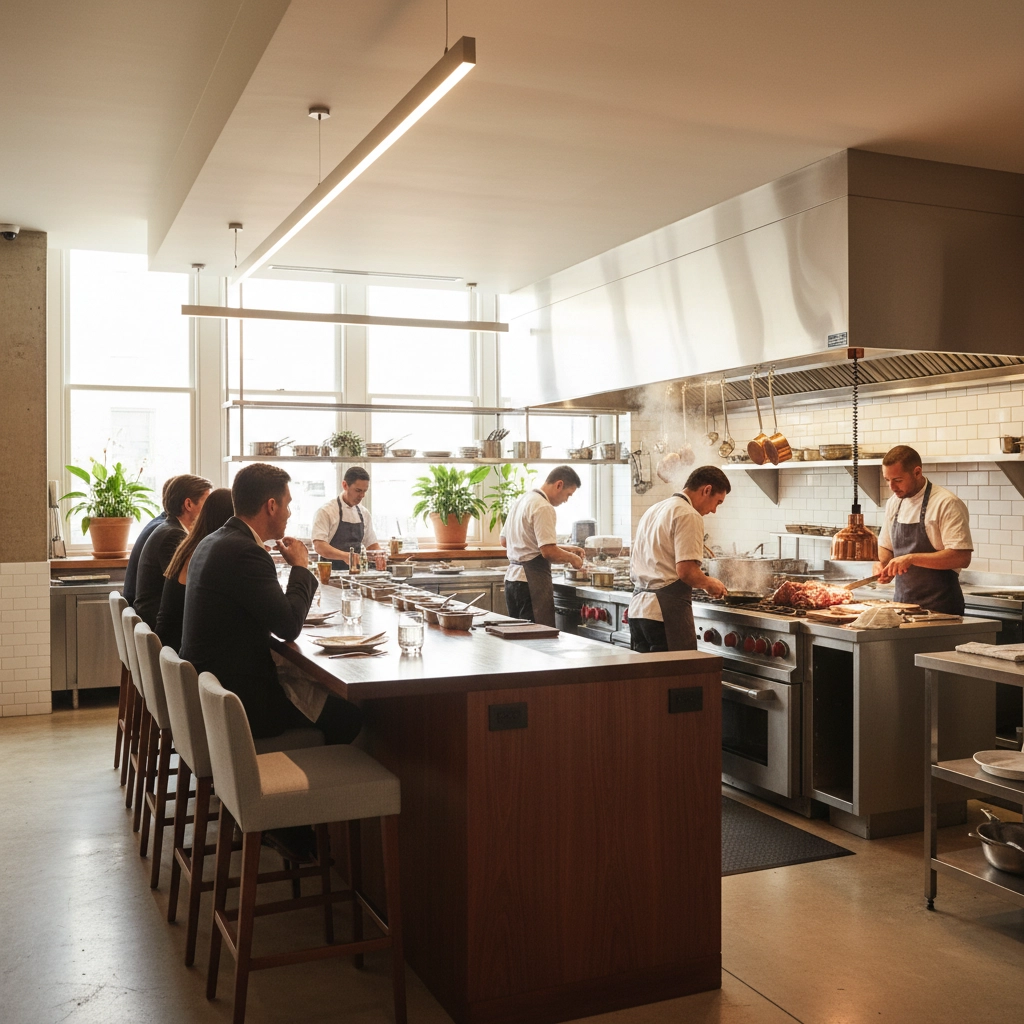
Here's the game-changer: instead of organizing teams around functional tasks, successful Michelin restaurants delegate entire customer experiences to individual contributors. These team members become responsible for both execution and direct customer interaction. The famous open kitchen design isn't just for show, it places chefs in full visibility of diners, creating an environment where every decision's consequence is immediately apparent.
For business leaders, this translates to redesigning your feedback collection systems. Make customer feedback second nature rather than treating it as a separate program. Yes, this might hurt traditional efficiency metrics in the short term, but it redefines efficiency through your customer's lens: ultimately unlocking new profitable opportunities you never saw coming.
Operating Under Extreme Pressure Creates Precision
Michelin-starred establishments understand that every mistake matters exponentially more than in typical business environments. This creates a culture of precision where leaders must make decisions knowing that any misstep could result in losing recognition that drives substantial revenue increases.
The numbers don't lie: one Michelin star generates 20% more business, two stars create 40% more business, and three stars can double your revenue. That's not just recognition: that's serious money on the line with every single decision.
This pressure-cooker environment teaches leaders to care about every detail more intensely than traditional business settings require. The decision-making process becomes data-driven by necessity. You simply cannot afford to rely on intuition alone when a single mistake could cost you your reputation and significant revenue.
Innovation Within Strategic Constraints
Here's where it gets really interesting. The most sophisticated leadership lesson comes from restaurants like D'O in Italy, which achieved something seemingly impossible: maintaining Michelin-star quality while keeping prices accessible at just €45-50 per person for dinner.
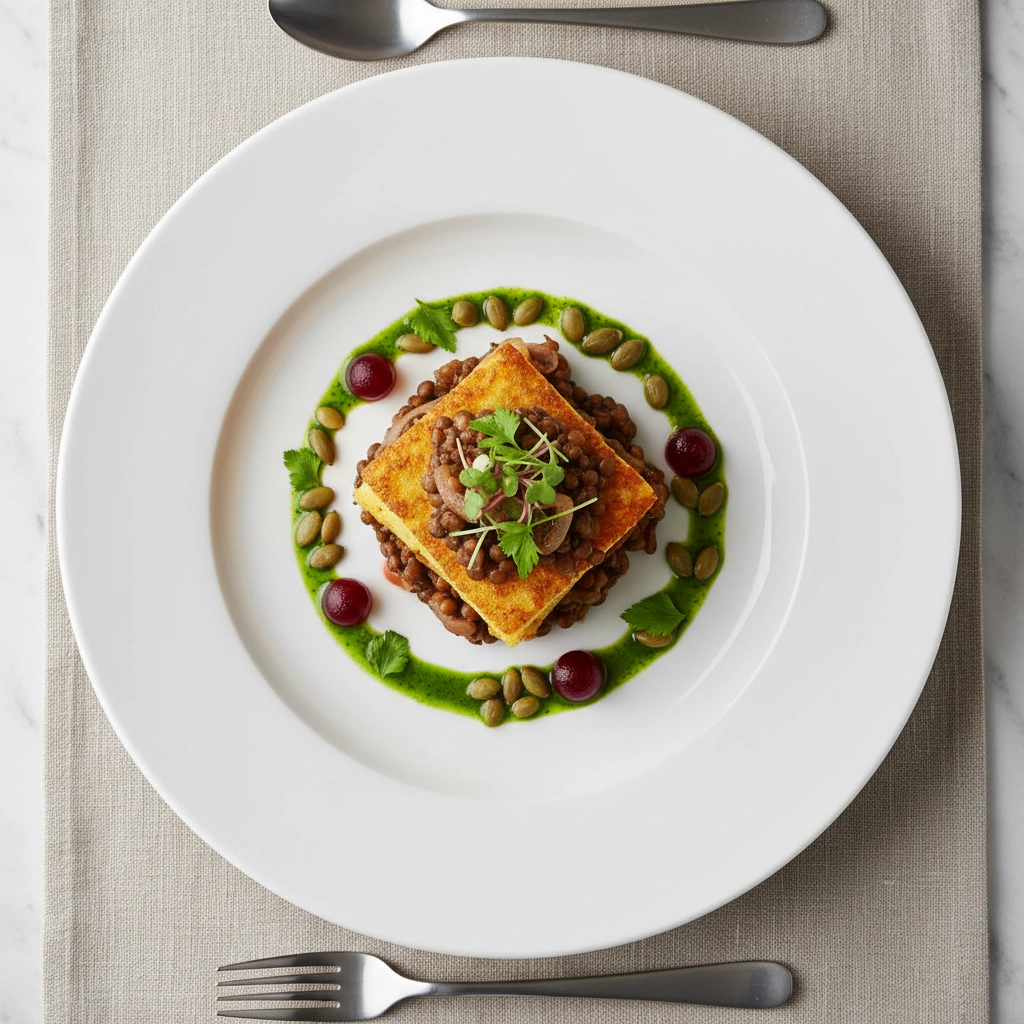
While most Michelin restaurants respond to their star by increasing investments in expensive staff, flatware, wine, and ingredients: often leading to prices exceeding €120 per person and operational losses: D'O found ways to maintain quality while keeping costs manageable. The restaurant operates at full capacity year-round with an 18-month waiting list, proving that strategic constraint management can create both quality and profitability.
Chef Davide Oldani completely transformed the traditional cost-quality tradeoff. Instead of accepting that starred quality must equal unsustainable pricing, he innovated within constraints to find breakthrough solutions.
This teaches business leaders a crucial lesson: constraints aren't limitations: they're innovation catalysts. When you're forced to find creative solutions within strict parameters, you often discover approaches that your competitors, with unlimited resources, never consider.
Understanding Status Signaling in Uncertain Markets
Michelin-starred chefs are masters of status signaling in markets where quality assessment is inherently difficult. Research shows that restaurants strategically respond to Michelin recognition by adjusting their market positioning, including pricing increases and menu language that incorporates more sophisticated cooking techniques and premium ingredients.
In industries where quality is difficult to assess, external validation becomes a powerful tool for commanding premium pricing and market position. The key is understanding how rankings and recognition systems function as essential competitive signals, then building business strategies that leverage these systems effectively.
This isn't about gaming the system: it's about understanding how perception influences purchasing decisions in complex markets. When customers can't easily evaluate quality beforehand, they rely on external signals to make their choices.
Decision-Making Under Continuous Evaluation
Perhaps the most psychologically demanding aspect of Michelin-starred leadership is operating under the constant possibility of losing recognition. Michelin can rescind stars at any time for any reason, creating an environment where leaders must maintain peak performance continuously.
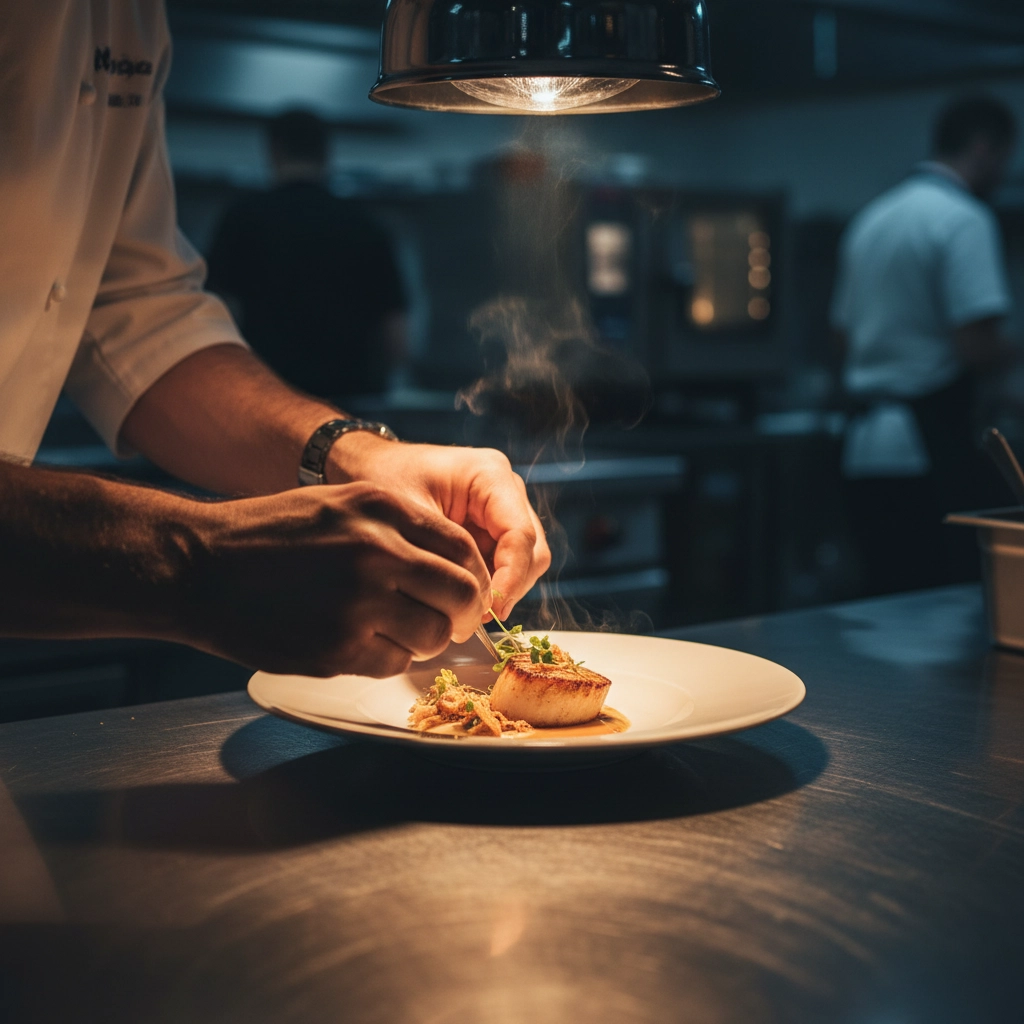
This uncertainty has driven some chefs to extreme measures, highlighting the intense psychological pressure of high-stakes decision-making. For business leaders, this environment teaches the critical importance of building systems that can maintain excellence consistently, rather than relying on periodic bursts of high performance.
The ability to make sound decisions while knowing that every choice is being evaluated by unseen assessors mirrors many business environments. Whether it's regulatory compliance, investor scrutiny, or competitive pressures, the psychological dynamics are remarkably similar.
Practical Applications for Your Business
So how do you apply these Michelin-level insights to your own million-dollar decisions? Start with these three core principles:
1. Design Immediate Feedback Systems Stop waiting for monthly reports. Create mechanisms where decision-makers can see the immediate impact of their choices. This might mean restructuring your customer service approach, redesigning your product development process, or changing how you measure success.
2. Embrace Productive Constraints Instead of assuming more resources equal better outcomes, identify strategic constraints that force innovative thinking. What limitations could actually drive breakthrough solutions in your industry?
3. Build Consistent Excellence Systems Focus on creating processes that maintain high performance continuously, not just during crunch time. This means investing in systems, training, and culture that can sustain peak performance under pressure.
The Million-Dollar Mindset Shift
The real secret isn't just about making better individual decisions: it's about creating an environment where better decisions become inevitable. Michelin-starred chefs don't rely on superhuman judgment; they build systems that make excellence the path of least resistance.
This requires a fundamental shift from viewing leadership as making periodic big decisions to designing environments where the right choices emerge naturally from your team's daily operations.
The data is clear: restaurants that achieve and maintain Michelin recognition don't just serve better food: they've mastered the art of consistent, high-stakes decision-making under pressure. These same principles can transform how you approach your most critical business choices.
The question isn't whether your industry is as demanding as a Michelin kitchen. The question is whether you're ready to bring that level of precision, innovation, and systematic excellence to your own leadership challenges.
Your next million-dollar decision is waiting. Are you ready to apply what the world's best chefs have already figured out?

Comments