
Are Traditional Leadership Programs Dead? Do People Still Need The Motivation Expert's Kitchen-to-Boardroom Approach?
- Christian J. Fischer

- Jan 7
- 4 min read
Updated: Mar 13
Here's the uncomfortable truth: Most leadership programs are producing mediocre leaders at best.
You've probably seen it yourself. Companies spend millions on leadership development only to watch their executives struggle with the same basic challenges: poor communication, team dysfunction, and an inability to perform under pressure.
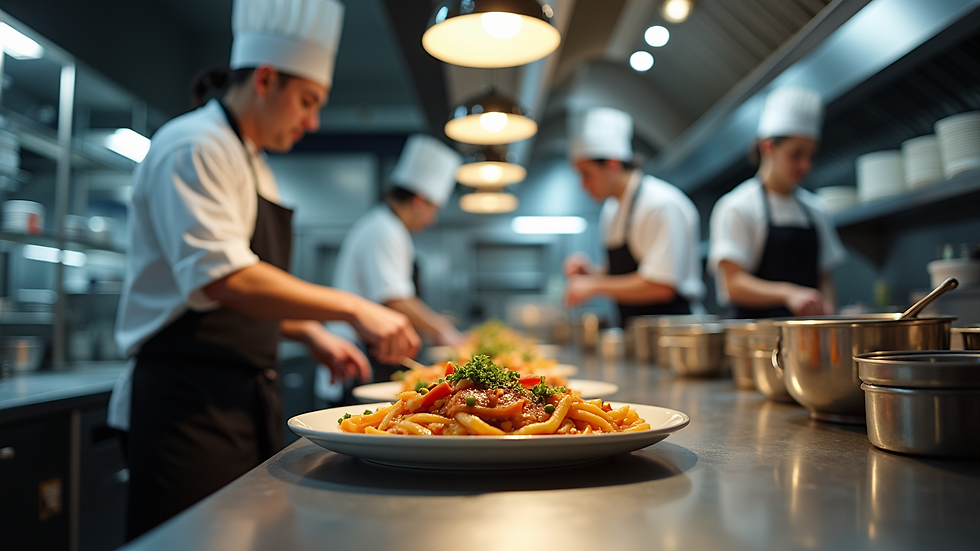
Meanwhile, in professional kitchens around the world, chefs are mastering these exact skills every single day. They're leading high-stress teams, making split-second decisions, and delivering consistent results when everything's on the line.
So why aren't we learning from them?
The Great Leadership Program Failure of 2025
Traditional leadership programs aren't technically dead: they're just badly broken. Research shows that 83% of organizations struggle to develop leaders effectively, even though companies with strong leadership programs are 2.3 times more likely to outperform their peers.
The problem isn't that leadership development doesn't work. It's that most programs are built on outdated assumptions about how people actually learn and lead.
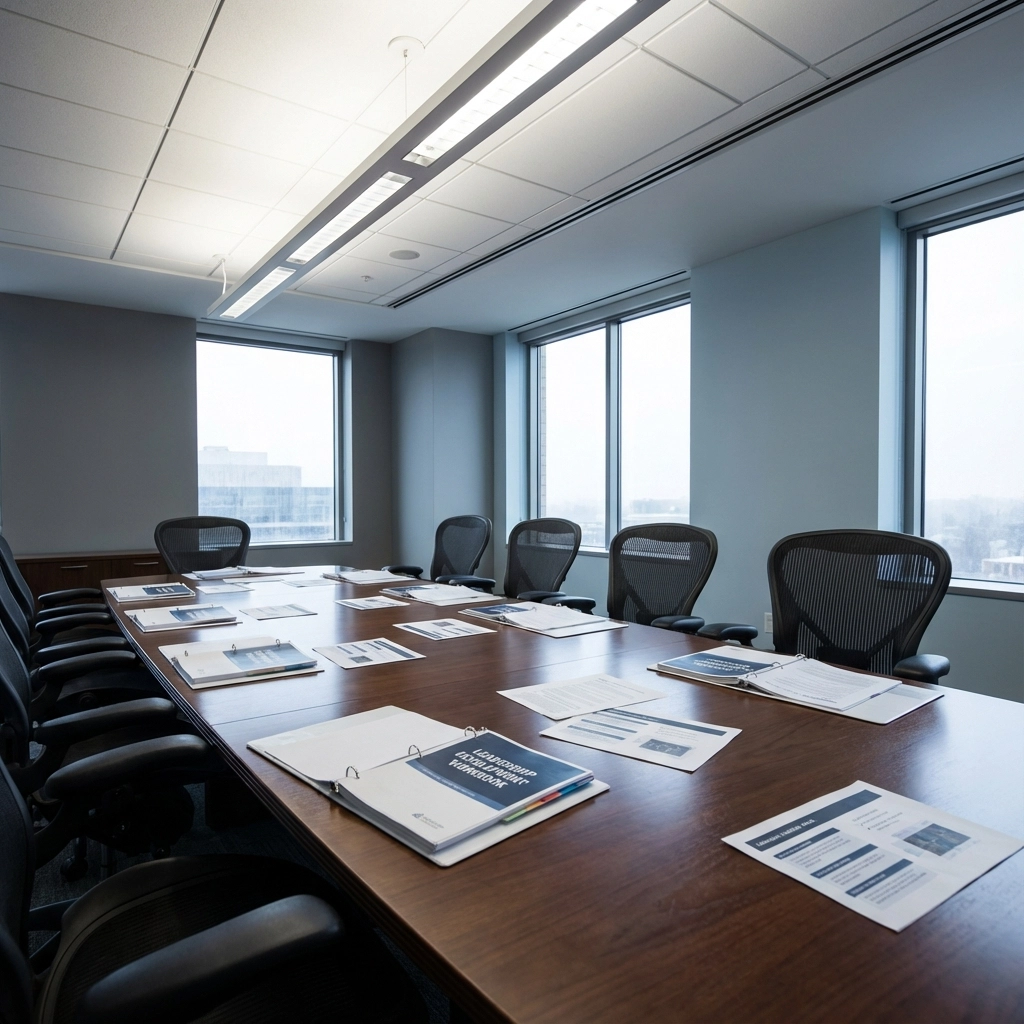
Most corporate leadership training follows the same tired formula:
A few days of theoretical workshops
Generic case studies that feel nothing like real work
PowerPoint presentations about "synergy" and "paradigm shifts"
No real-world application or follow-up
Then leaders go back to their desks and... nothing changes. The same communication breakdowns happen. Teams still underperform. Stress levels remain through the roof.
It's like trying to learn surgery by reading about it instead of operating.
Why the Kitchen-to-Boardroom Approach Actually Works
Here's what makes the kitchen different: Everything matters immediately.
In a professional kitchen, poor leadership doesn't just hurt quarterly numbers: it ruins service that night. Bad communication doesn't create awkward meetings: it creates chaos during the dinner rush. Weak team dynamics don't lower engagement scores: they lead to burned food and angry customers.
The stakes force excellence. And that creates leaders who can handle anything.
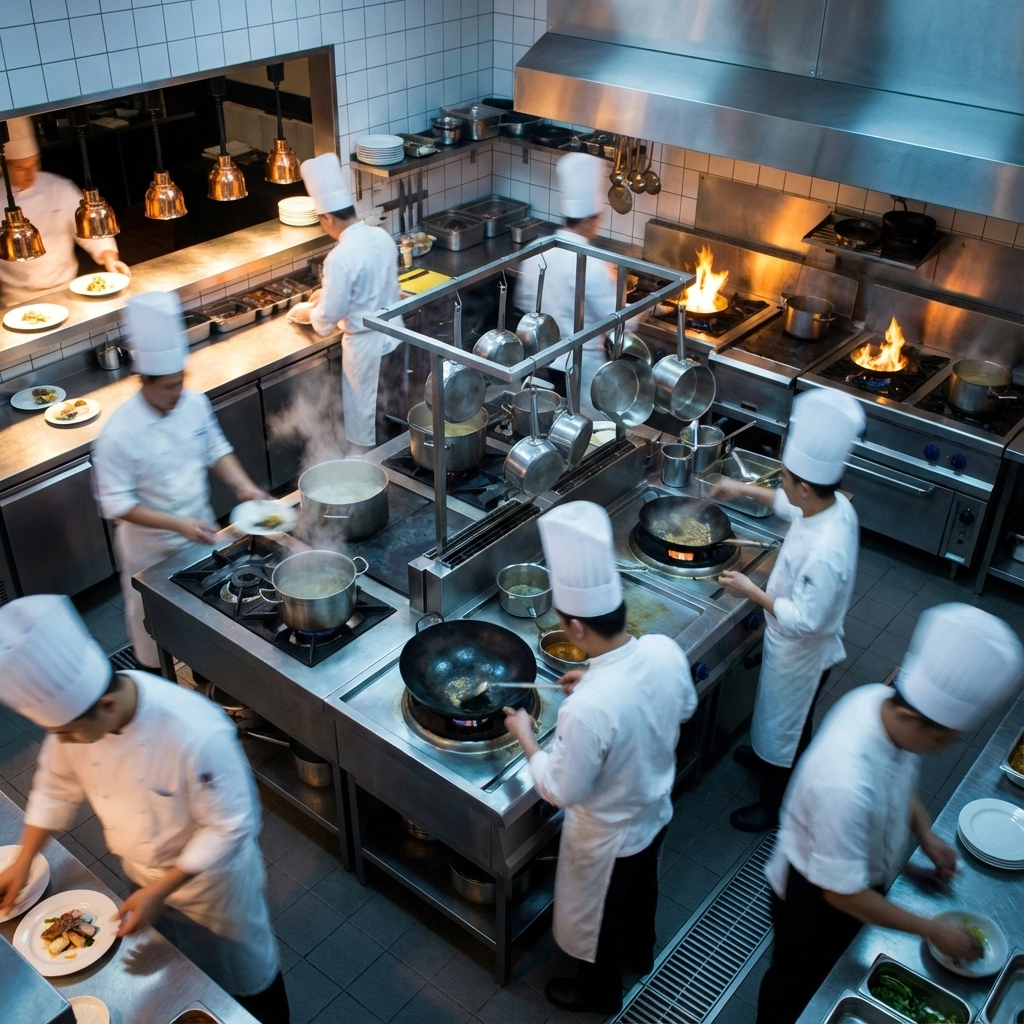
Consider what a head chef manages every shift:
Coordinating 15-20 team members under extreme time pressure
Maintaining quality standards when there's no room for error
Making rapid decisions with incomplete information
Managing personalities, egos, and stress levels
Adapting to constant changes (supply issues, special requests, equipment failures)
Delivering consistent results regardless of external pressure
Sound familiar? These are the exact challenges facing executives in 2025.
The difference is that chefs develop these skills through daily practice in high-stakes environments. Corporate leaders typically learn them through low-stakes workshops and hope for the best.
The Chef 2 Chef Methodology: Real Leadership for Real Challenges
The Chef 2 Chef approach isn't about teaching executives to cook. It's about applying the proven leadership principles that make great chefs into extraordinary leaders.
Here's how it works:
Pressure-Tested Decision Making Instead of theoretical scenarios, leaders practice making critical decisions under real time constraints. Just like a chef calling orders during the dinner rush, executives learn to process information quickly and commit to action.
Systems-Based Thinking Professional kitchens run on precise systems where every role connects to every other role. This translates directly to organizational leadership: understanding how decisions ripple through teams and departments.
Immediate Feedback Loops In the kitchen, you know instantly if something's wrong. Leaders learn to create similar feedback systems in their organizations, catching problems early instead of waiting for quarterly reviews.
Cultural Leadership Great chefs don't just manage tasks: they build kitchen culture that sustains high performance. The same principles apply to building organizational culture that drives results.
Beyond Traditional Motivation: The Real Work of Leadership
Most motivation experts focus on inspirational speeches and rah-rah energy. That's fine for conference keynotes, but it doesn't solve the daily grind of leadership challenges.
The kitchen-to-boardroom approach goes deeper. It's built on the understanding that true motivation comes from:
Clear systems that make success achievable
Immediate recognition of both good and poor performance
Shared accountability where everyone's role matters
The satisfaction of executing at a high level consistently
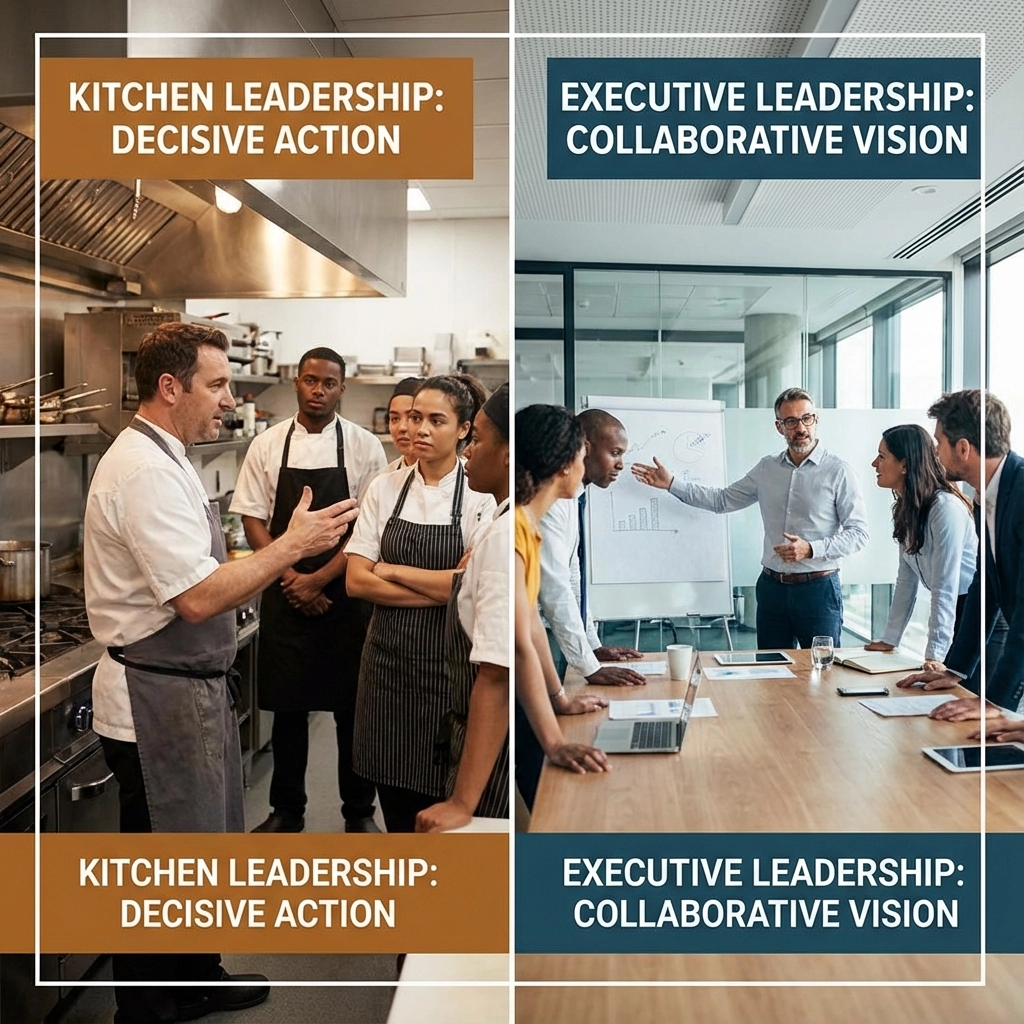
This isn't about making work "fun": it's about making work meaningful and sustainable.
When leaders understand how to create these conditions, motivation becomes natural. Teams perform because they're set up to succeed, not because someone gave them a pep talk.
What This Means for Your Organization
If you're still relying on traditional leadership programs, you're probably seeing these symptoms:
Leaders who sound good in meetings but struggle with execution
Teams that perform well individually but poorly together
Constant fire-drilling instead of proactive problem-solving
High turnover in leadership positions
Strategies that look great on paper but fall apart in practice
The kitchen-to-boardroom approach addresses these issues at their source. It develops leaders who can actually lead: not just manage.
The Fischer Research Group Difference
This isn't theory for us. It's how we've built our entire approach to leadership development and business consulting.
Our programs combine the practical intensity of professional kitchen leadership with the strategic thinking required for executive success. Leaders don't just learn concepts: they practice them in environments that mirror the real pressure they face.
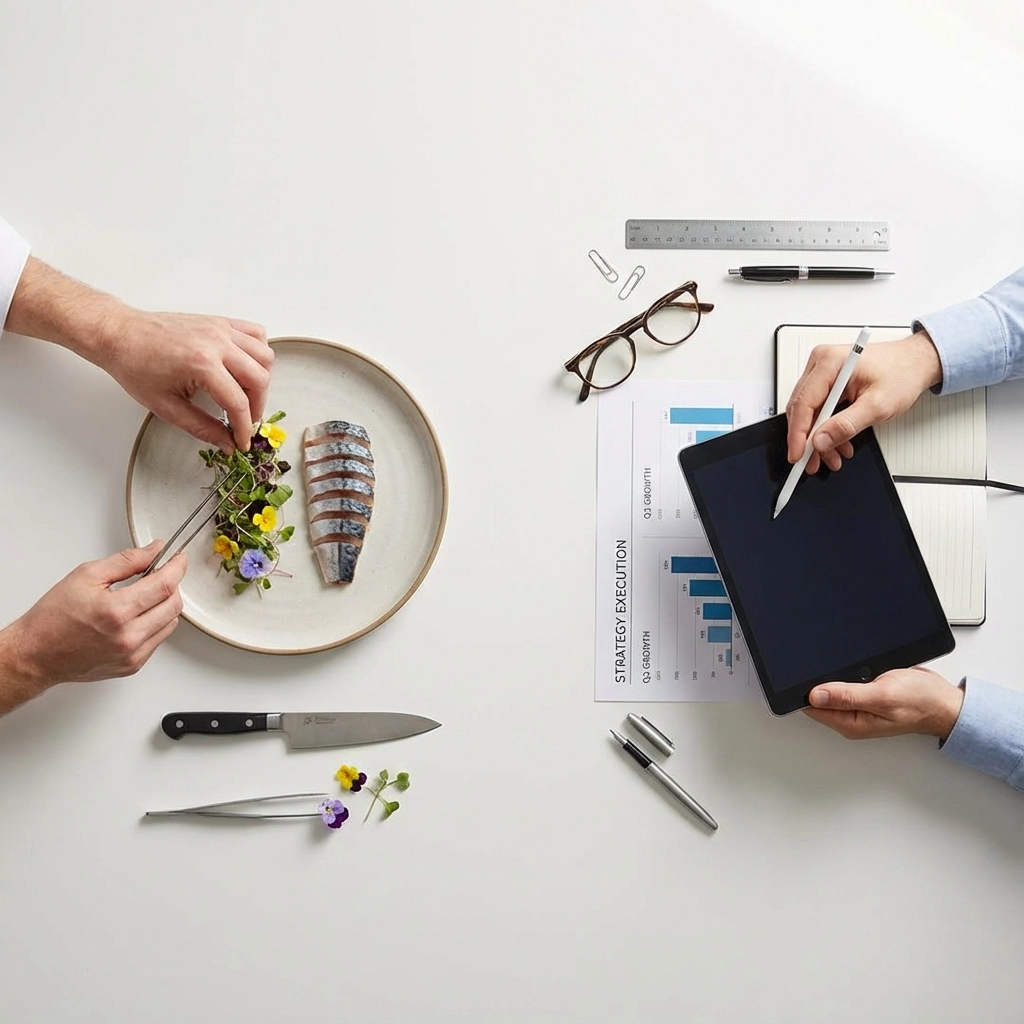
Whether it's our consulting work, leadership development programs, or the Book Blueprint Course for executives ready to establish thought leadership, everything we do is built on this foundation of practical, pressure-tested leadership principles.
We've seen the results: Leaders who can actually handle crisis situations, teams that perform consistently under pressure, and organizations that execute strategy instead of just planning it.
The Bottom Line
Traditional leadership programs aren't dead, but they're dying. Organizations that stick with outdated approaches will continue producing mediocre leaders while their competitors pull ahead.
The kitchen-to-boardroom approach isn't just a metaphor: it's a proven methodology for developing leaders who can thrive in high-stakes environments.
The question isn't whether your organization needs better leadership development. It's whether you're ready to try something that actually works.
Ready to see what real leadership development looks like? Let's talk about how the Chef 2 Chef approach can transform your leadership team. Book a consultation or explore our leadership programs to get started.
Because in 2025, good enough leadership isn't good enough anymore.


Comments